Table of Contents
Is the new autistic Barbie doll accurate?
That question has surfaced repeatedly since Mattel introduced its Barbie with autism. Online discussions range from praise for increased visibility to skepticism about whether a single toy can meaningfully reflect autism or whether it should even attempt to.
From a professional and critical standpoint, this conversation benefits from a grounded reframing. The real value of Barbie with autism doesn’t lie in perfect accuracy or complete representation. Instead, it lies in how play supports understanding, especially for children who are still learning how to relate to others and navigate differences.
Keep reading this blog by ABA Centers of Delaware and discover how, at its core, the Autistic Barbie is a conversation about autism representation, social learning, and the role inclusive play can have in building empathy early in life.
What Is the New Autistic Barbie Doll?
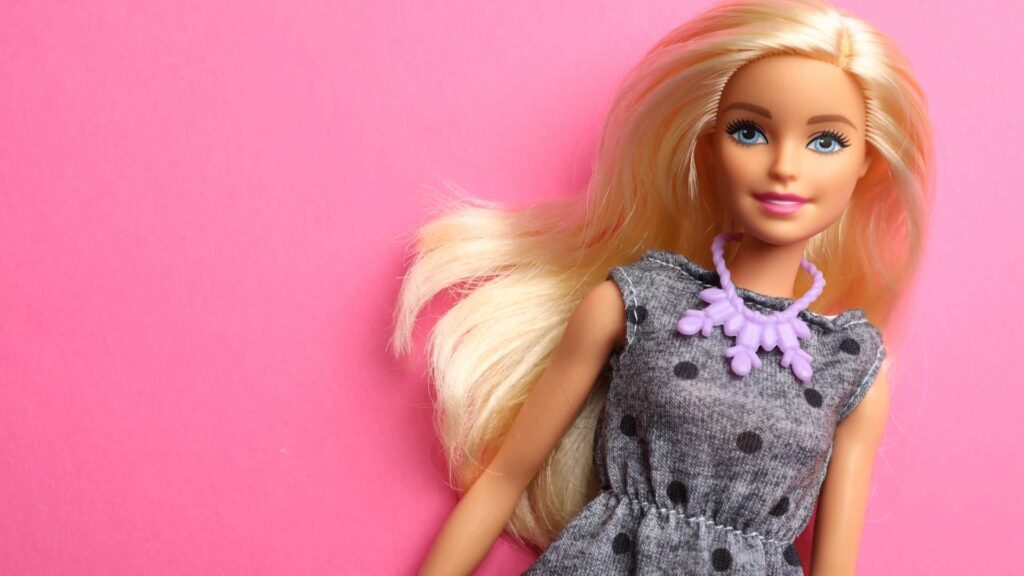
The new autistic Barbie doll is part of Mattel’s Barbie Fashionistas line, created in collaboration with autism advocates and specialists. According to Mattel, the goal was to introduce a doll that reflects everyday tools and experiences commonly associated with autism, while encouraging inclusive and imaginative play.
The Autistic Barbie includes features such as:
- Noise-canceling headphones to support sensory regulation
- A small fidget toy
- Sensory-considerate clothing
- An AAC device representing alternative communication
- A sunflower necklace, often associated with hidden disabilities
Mattel emphasized that they design the Autistic Barbie to normalize differences through play rather than define autism or speak for the entire community.
That distinction is essential to understanding its role.
Why Autism Representation Through Play Matters
Play is one of the earliest ways children learn about the world. Long before formal lessons or explanations, toys help children understand relationships, communication, and differences.
Here’s where autism representation becomes meaningful. When children encounter diversity during play—whether through communication devices, sensory supports, or different ways of interacting—those differences become familiar rather than confusing.
Research on disability representation in children’s toys and media shows that inclusive materials can support social understanding, reduce stigma, and contribute to positive identity development. Significantly, these benefits extend beyond children with autism to peers, siblings, family members, and classmates.
In this way, Barbie with autism serves as an introduction, not an explanation.
Let’s Keep in Mind: A Doll Is a Tool, Not the Entire Conversation
It’s worth stating something clearly, especially in response to some of the criticism circulating online: Autistic Barbie is a doll.
Science describes Autism as a spectrum for an important reason. People with autism experience the world in many different ways, with varying strengths, needs, communication styles, and sensory experiences. No single character, toy, or story can fully capture that range, and expecting it to do so places an unrealistic burden on representation itself.
For this reason, the new autistic Barbie doll was never meant to represent every experience of autism. She is not a comprehensive educational model, nor a substitute for advocacy, research, or individualized support. Instead, she reflects one possible expression of autism, offering visibility without claiming completeness.
From a professional perspective, this distinction matters. Toys function as entry points, not conclusions. Their value depends on how they are used—by children, caregivers, educators, and clinicians—to introduce conversations about difference, support needs, and inclusion.
When viewed through the lens of the autism spectrum, Barbie with autism becomes what she was intended to be: a conversation starter within a much broader, more complex picture—not the final word.

What Neurotypical Children Learn Through Inclusive Toys
One of the most important aspects of inclusive representation is its impact on children who are not on the spectrum.
Through playing with dolls like the new Barbie with autism, children can learn that:
- Some people communicate differently
- Some people use tools to manage sensory input
- Differences do not prevent connection, friendship, or participation
These lessons don’t require formal explanations. They happen organically through imaginative play, storytelling, and shared experiences.
Research on early childhood development highlights that exposure to diversity through play supports empathy, flexibility, and social understanding. When differences are normalized early, children are more likely to approach them with curiosity rather than judgment later in life.
Where Autism Representation Meets Real-World Support
While representation through toys, like the Autistic Barbie, can support understanding, it cannot replace individualized care or skill-building support for children with autism.
This is where Applied Behavior Analysis (ABA) therapy plays a critical role.
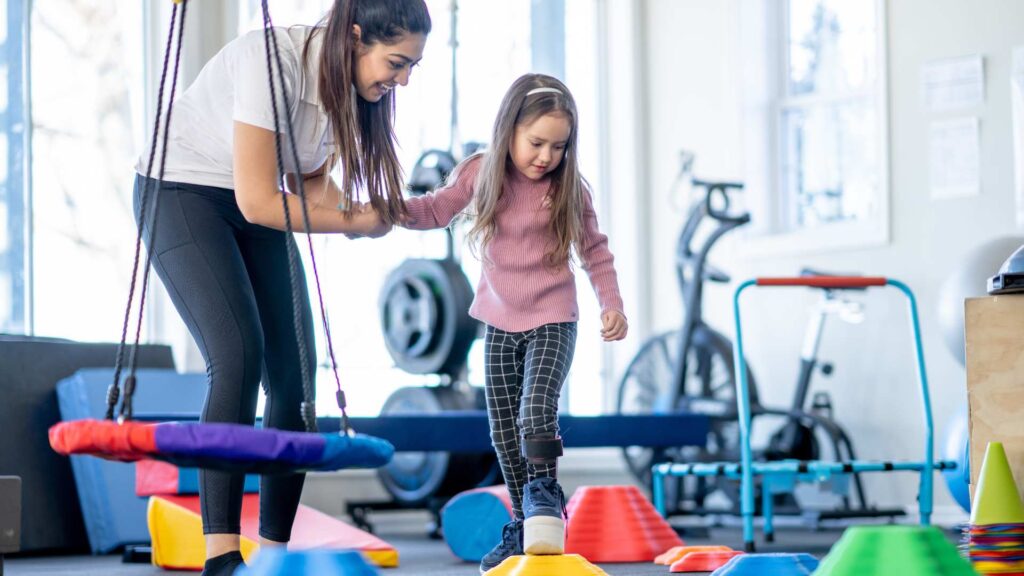
ABA therapy helps children develop communication, social, and daily living skills that support independence and confidence. Many ABA programs use play-based approaches, allowing therapists to build skills through activities that are engaging and meaningful to each child.
In play-based ABA therapy, a child’s interests, whether imaginative play, games, or toys, become opportunities to practice real-life skills in natural settings. Learning happens through interaction, not abstraction.
Early Exposure and Early Intervention Go Hand in Hand
There is a meaningful parallel between early autism representation and early therapeutic support.
- Early exposure to differences through play supports acceptance and social understanding
- Early intervention through ABA therapy supports skill development during critical developmental periods
Both contribute to long-term outcomes, but they serve different purposes. One shapes perspective, the other builds functional ability.
This same understanding of autism as a spectrum is what makes individualized, evidence-based approaches like ABA therapy essential, because meaningful support must be tailored to the unique strengths and needs of each child.
How ABA Centers of Delaware Supports Families
At ABA Centers of Delaware, we work with children and families every day to provide compassionate, evidence-based ABA therapy tailored to each child’s individual needs.
We recognize the value of inclusive representation, while also understanding its limits. Proper support for children with autism goes beyond trends or media moments; it comes from personalized care, early intervention, and collaboration with families and caregivers.
Our team focuses on helping children build communication skills, social engagement, and independence in ways that respect their individuality and support long-term growth.
If you’re exploring ABA therapy or looking for guidance on early support, we’re here to help.
Learn more or schedule a consultation with ABA Centers of Delaware by clicking here or calling us at (844) 855-8517 to take the next step toward meaningful, individualized care.