Table of Contents
How Do You Explain Autism to Children?
Explaining autism to kids starts with simple, age-appropriate language that focuses on differences without judging them. Begin with what your child already notices, answer questions honestly, and explain that people with autism may communicate, learn, play, or respond to sensory experiences differently. Keep the conversation open so understanding can grow over time.
With honesty, kindness, and the right approach, discussing autism can lead to meaningful conversations that help children grow into more inclusive and compassionate individuals.
In this blog by ABA Centers of Delaware, we’ll explain why these conversations matter and share 10 practical tips for explaining autism to kids. If you are wondering how to explain autism to a child, these strategies can help you keep the conversation respectful, concrete, and age-appropriate. We’ll also clarify how ABA therapy may support children with autism while keeping the focus on inclusion and autism awareness.
How to Explain Autism to a Child?
Knowing how to explain autism to a child can help children understand differences in communication, behavior, sensory needs, and social interaction without treating those differences as something to fear. Age-appropriate conversations can build autism awareness, empathy, and inclusion while giving children a respectful framework for asking questions about classmates, friends, or family members with autism.
As outlined by the American Psychiatric Association, Autism Spectrum Disorder (ASD) is a neurodevelopmental condition characterized by differences or challenges in social communication and interaction, along with restricted or repetitive behaviors, interests, or activities. Autism looks different in every person; one child may use few spoken words, while another may speak fluently but rely on routines or have intense interests.
When we give children the tools to understand these differences, they’re more likely to respond with curiosity and compassion rather than confusion or judgment. That’s what explaining autism to kids is about: opening the door to connection.
How Can You Help Children Understand Autism with Kindness?
When deciding how to explain autism to a child, treat curiosity as an opportunity for a respectful conversation, not something to shut down. Children often notice differences before they have the language to understand them, so calm, concrete answers can turn autism awareness into respectful action without turning another person into a problem or a spectacle.
“Why is my friend so quiet?”
“Why does my classmate flap their hands?”
“Why does my brother get upset when things change?”
These moments show how explaining autism to kids can shape how they respond to difference. The CDC’s Autism and Developmental Disabilities Monitoring (ADDM) Network reported that about 1 in 31 8-year-old children in 16 U.S. communities were identified with autism in 2022. That estimate does not represent every child in the United States, but it underscores how common autism is. Responding calmly, honestly, and respectfully helps make autism awareness practical rather than abstract.
10 Honest Tips for Explaining Autism to Kids
Here are ten practical, honest, and age-appropriate ways to explain autism to kids:
1. Start with What They Know: If you are unsure how to explain autism to a child, start with familiar situations. “Remember how your brother doesn’t like loud noises?” Concrete examples help children connect autism to experiences they already recognize.
2. Be Honest and Simple: When explaining autism to kids, you don’t need to get technical. Try saying, “People with autism may communicate, play, learn, or respond to sounds and changes differently. Those differences are part of how they experience the world.”
3. Explain That Everyone Has Strengths and Challenges: You can say, “Some kids are great at drawing but find it hard to talk to new people. Others love talking but get nervous in loud places.”
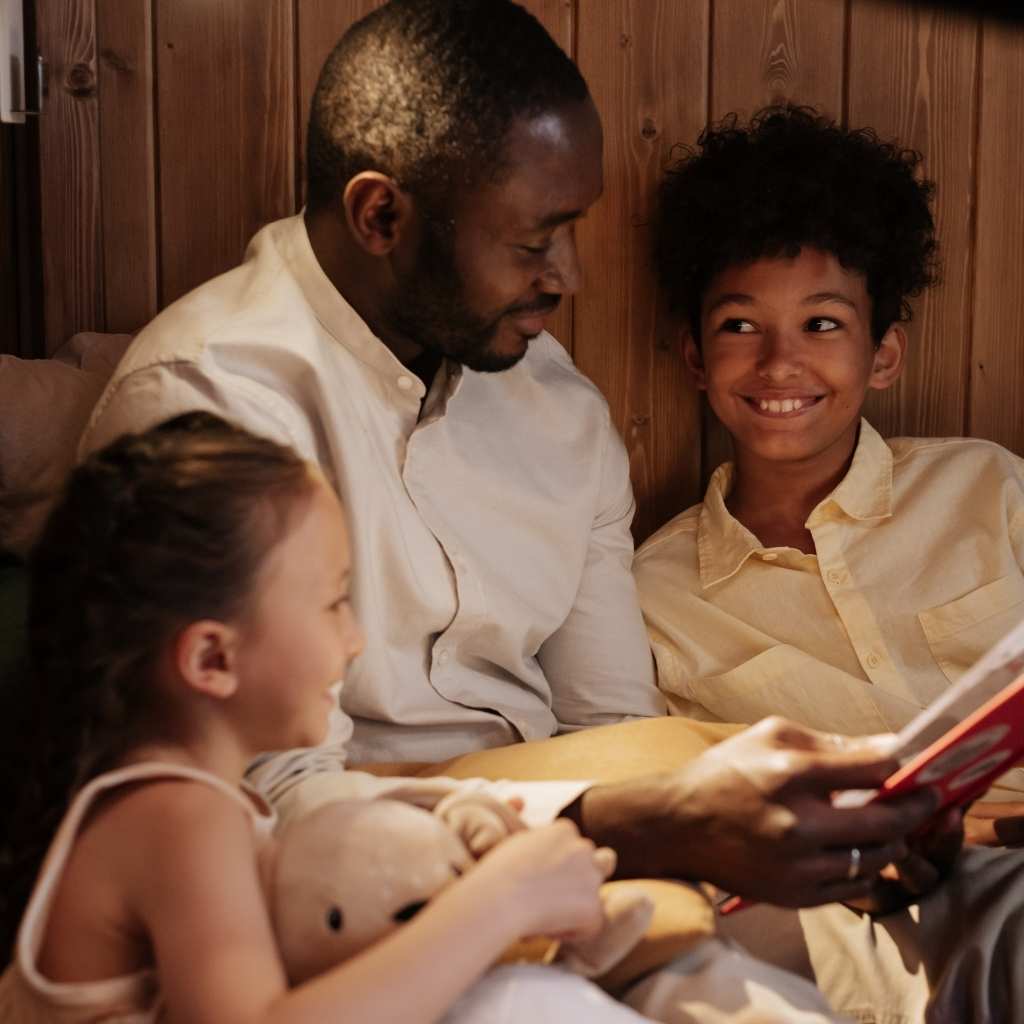
4. Use Stories or Books: Children’s books, such as “All My Stripes” or “My Brother Charlie,” offer relatable narratives. Age-appropriate stories can build autism awareness and naturally open the door to questions and discussion.
5. Describe Differences Without Stereotypes: Let your child know that differences are not something to rank as good or bad. For example, “Your friend may not look at you while you’re talking, but that doesn’t mean they aren’t listening.” Avoid assuming that every child with autism has the same preferences, challenges, or strengths.
6. Encourage Questions: It’s completely fine to say, “I’m not sure, but let’s learn together.” If you’re learning how to explain autism to a child, admitting what you don’t know keeps the conversation open and shows that autism awareness can grow over time.
7. Model Respectful Language: Autism awareness includes using respectful language and, when possible, following the person’s preference. Research on autism terminology shows there is no single consensus: some people prefer “person with autism,” while others prefer “autistic person.” Teach your child not to use autism as an insult or as the only way to describe someone.
8. Talk About Communication Differences: Explain that some people with autism communicate with spoken words, while others may also use gestures, pictures, sign language, or augmentative and alternative communication (AAC) devices. The American Speech-Language-Hearing Association (ASHA) explains that AAC can include unaided methods, such as gestures, and aided methods, such as picture boards or speech-generating devices.
9. Explain That Sensory Needs Are Real: Loud sounds, bright lights, certain textures, or unexpected touch can be uncomfortable or overwhelming for some people with autism. Use a simple comparison, such as, “Imagine a sound that bothers you being much louder than usual.” Avoid assuming the same sensory experiences apply to everyone.
10. Encourage Inclusion: Help your child think of respectful ways to include someone without pressuring them. “Would you like to sit together at lunch?” or “Want to ask your friend what they’d like to play?” Inclusion means offering connection while respecting preferences and boundaries.
Explaining autism to kids doesn’t have to be one perfect conversation. As you learn how to explain autism to a child, revisit the topic as new questions come up.
How Can ABA Therapy Support a Child with Autism?
Applied Behavior Analysis (ABA) is a behavioral approach commonly used to help children with autism build individualized skills. The American Academy of Pediatrics notes that ABA-based interventions can support skill development. Depending on a child’s goals, ABA may address communication, daily living skills, social participation, or behaviors that interfere with learning or safety
For younger children, early intervention may help build developmentally appropriate skills during a period of rapid learning. ABA goals should be individualized, measurable, and adjusted over time based on the child’s progress, needs, and family priorities. Outcomes vary, and no single approach works the same way for every child.
ABA services may also include caregiver training to help families use consistent strategies during everyday routines. Siblings and peers are not usually the direct focus of a child’s ABA treatment, but families explaining autism to kids can use age-appropriate language to help others understand communication preferences, sensory needs, and ways to interact respectfully.
Building a Future Rooted in Autism Awareness and Acceptance

Knowing how to explain autism to a child can help children practice empathy and inclusion. Explaining autism to kids is not about teaching them to feel sorry for someone or to treat every person with autism the same; it is about helping them understand that people may communicate, learn, and experience the world differently.
When explaining autism to kids, avoid assuming or disclosing a diagnosis simply because a classmate flaps their hands, covers their ears, or communicates differently. You can say, “People respond to sounds, feelings, and situations in different ways. We can be kind and give them space if they need it.” If the person’s autism diagnosis has been shared appropriately, you can explain what autism means without turning the conversation into a label.
If you’re looking for support, guidance, or diagnostic services, ABA Centers of Delaware offers early intervention, personalized ABA therapy, and autism diagnostic evaluations. Our intake process is designed to reduce traditional wait times, and our team can help families understand available services and next steps.
Contact us today at (844) 855-8517 or schedule an online consultation to learn more about how we can support your family. Building autism awareness starts with accurate information, respectful language, and conversations that help children understand and include people with autism.