
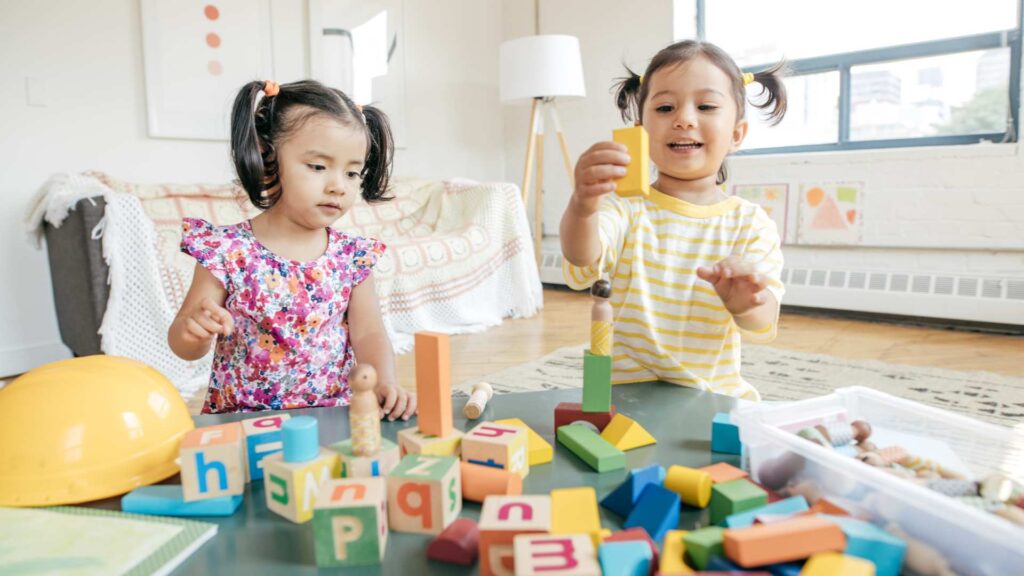
How to introduce playdates to an autistic child?
Parents often hear how helpful playdates can be for childhood development, but when their loved one is on the spectrum, the idea of autism and playdates can feel complicated. Many children with autism see the world through a different lens, and that includes how they approach play, friendship, and social interaction. Some prefer predictable activities, others enjoy parallel play, and many need extra support to feel comfortable interacting with peers.
Challenges in social interaction do not mean children with autism cannot enjoy playdates or develop friendships. It means they engage in play and communicate differently, or need time to warm up to new environments. Understanding these differences is key to creating successful, meaningful experiences that support growth instead of overwhelm.
Families often wonder if their child is ready for social time with peers, how to pick the right setting, what challenges might come up, or how to avoid forcing interactions that feel stressful. This blog by ABA Centers of Delaware explains how children with autism navigate play, what parents can do to create positive playdate experiences, how social skills in autism influence the process, and how ABA therapy supports children as they learn to interact with confidence.
Understanding Autism and Play: Why It Matters

Before planning playdates for children with autism, it helps to know how autistic children experience play. Play is a significant part of childhood, but it does not look the same for everyone. Many children with autism spectrum disorder (ASD) approach play with unique preferences and patterns that reflect how they process the world.
Preference for Predictable Activities
Children with autism often feel comfortable with structured or predictable play. They may enjoy building, sorting, lining up toys, or repeating a familiar game. These activities provide a sense of control and calm in a world that can be unpredictable.
Interest-Based Play
Some children show strong interests in specific topics or objects. They may talk about trains, dinosaurs, or numbers repeatedly, or want to play one specific game every time. These interests are not a problem. In fact, they can be a helpful starting point for building social interactions through shared activities.
Parallel Play
Many children with autism prefer playing near others rather than directly with them. Parallel play still counts as social engagement. It gives the child a way to be close to peers without the stress of constant communication.
Sensory Preferences
Sensory issues shape every experience and daily activity for individuals with autism. Noise, bright lights, or unpredictable movement can feel overwhelming. Soft textures, quiet spaces, or calming activities might feel more inviting.
Understanding these differences helps caregivers plan playdates that match the child’s comfort level instead of expecting them to interact in ways that do not fit their natural style.
Challenges Children with Autism May Face During Playdates
Autism and playdates bring unique challenges that neurotypical children may not experience. These challenges are not signs of unwillingness or inability but reflect how the child processes social situations.
Difficulty with Social Communication
Social skills in autism vary widely. Some children have strong language abilities but struggle with turn-taking or understanding social cues. Others communicate differently and may need visual supports, gestures, or extra time to respond.
Difficulty Predicting Social Expectations
Children with autism may feel uncertain about what comes next or what their peers expect from them. This lack of predictability can lead to discomfort or withdrawal.
Overwhelm and Sensory Overload

Emotional Regulation
Some children may feel disappointed or frustrated when peers do not follow their plans or understand their play style. Learning to express these feelings takes time and support.
Recognizing these potential challenges helps parents plan with empathy and avoid placing pressure on the child.
How to Know When Your Child Is Ready for Playdates
Readiness looks different for every child. A child does not need perfect social skills or full verbal communication to benefit from a playdate. Instead, consider these signs:
Your Child Shows Interest in Others
Even small gestures count. Wanting to watch peers, smiling at other kids, or approaching someone briefly are signs of readiness.
Your Child Enjoys Shared Activities
This kind of play may be puzzles, blocks, pretend play, outdoor games, or even side-by-side play. Enjoyment is a good indicator that social time can feel positive.
Your Child Can Handle Short Interactions
Even five minutes of successful interaction can be the start of a good playdate.
Your Child Manages Their Sensory Needs Comfortably
If your child handles activities and environments without becoming overwhelmed, you can introduce playdates gradually.
Your Child Has Some Routines That Make Transitions Easier
Predictability helps. A child who can follow simple routines is more likely to adapt to a structured playdate plan.
Readiness is not all or nothing. If a child struggles at first, it does not mean they are not ready. It just means they need support, patience, and practice.
Readiness is not all or nothing. If a child struggles at first, it does not mean they are not ready. It just means they need support, patience, and practice.
8 Strategies to Support Autism and Playdates
Once you know your child is ready for playdates and have considered their sensory issues and preferences, it’s time to support their play experiences actively. Here are strategies to support playdates for children with autism while respecting the child’s comfort and communication style.
Start Small and Slow
Begin with short playdates, 20 to 30 minutes. Let the child adjust to having someone in their play space without pressure for constant interaction.
Choose the Right Peer

The child’s playmate should be patient, gentle, and open to flexible play. Some siblings or cousins can be great partners. A classmate who shares similar interests also works well.
Create Predictability
Explain in simple terms what will happen. Use visual schedules if needed. Keeping the playdate structured reduces anxiety.
Provide Familiar Toys and Activities
Start with activities your child already enjoys. Familiarity builds confidence and reduces the stress of learning new games.
Offer Breaks
Build in short breaks so the child can reset if they feel overwhelmed. Quiet corners, sensory tools, or time alone can help maintain emotional balance.
Let Interaction Happen Naturally
Pushy or forced social interaction creates stress. Instead, allow organic engagement. Side-by-side play is still meaningful.
Prepare Peers
Explain things gently to the neurotypical child. Let them know that everyone plays differently, and that flexibility helps the playdate feel comfortable for both children.
Stay Nearby but Not Overbearing
Your presence provides safety, but your distance encourages independence. Find a balance between guidance and space.
How ABA Therapy Supports Social Skills in Autism
ABA therapy uses evidence-based methods to build social skills, confidence, and communication in children with autism. Because ABA is individualized, therapists tailor lessons to match the child’s interests, learning style, and personality.
ABA supports social development by:
- Teaching turn-taking
- Strengthening conversation skills
- Helping children understand social cues
- Expanding play skills
- Supporting emotional regulation
- Introducing flexibility
- Teaching how to join group activities
- Building confidence through success
ABA therapists often practice play scenarios in structured sessions before transitioning them to real-world playdates. This kind of guidance helps children feel more prepared, reduces anxiety, and increases the chance of positive social interactions.